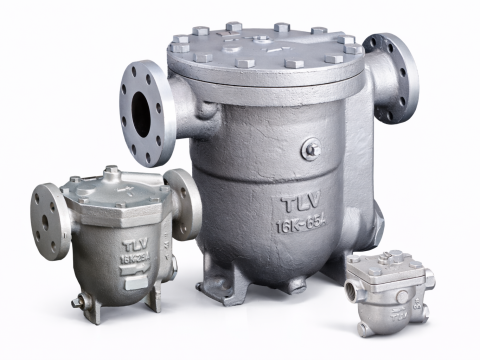
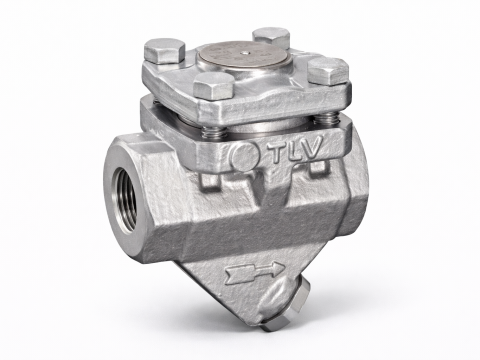
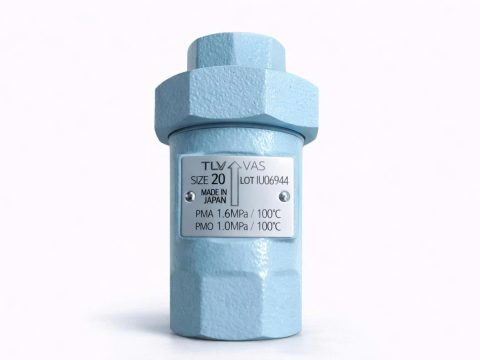
TLV PowerDyne Thermodynamic Steam Trap – Efficient Condensate Removal for Industrial Steam Systems
13/03/2026In industrial steam systems, the removal of condensate, air, and non-condensable gases is an essential factor to ensure efficient heat transfer and stable operation of the entire system. The TLV PowerDyne thermodynamic disc steam trap series is designed to optimize condensate discharge while minimizing steam loss and operating costs. With its compact design, high durability, and wide operating pressure range, TLV steam traps provide a reliable solution for steam mains, steam tracing systems, and various industrial steam applications.
1. Introduction to TLV Thermodynamic Disc Steam Traps
In industrial steam systems, the removal of condensate, air, and non-condensable gases plays an important role in ensuring stable operation, energy efficiency, and maintaining heat transfer performance. The thermodynamic disc steam trap from TLV is designed to optimize condensate discharge while minimizing steam loss, thereby improving the operational efficiency of steam systems.
The TLV PowerDyne Series includes multiple models in the P Series, FP Series, and HR Series, covering a wide pressure range from near atmospheric pressure to high-pressure steam systems. With a compact design, high durability, and stable operation capability, TLV steam traps are widely used in steam mains, steam tracing systems, and industrial heating applications.
2. Overview of Thermodynamic Steam Traps
Thermodynamic steam traps operate based on the difference in pressure and flow velocity between steam and condensate. When condensate enters the trap, the valve disc opens to allow condensate discharge. When hot steam reaches the trap, the steam pressure and velocity force the disc to close, preventing steam loss.
Thermodynamic disc traps are highly valued because of several advantages:
- Compact size
- Wide operating pressure range
- Simple and durable construction
- Suitable for various operating conditions
For these reasons, this type of steam trap is widely used in main steam pipelines and steam tracing systems.
3. Common problems with conventional disc traps
Although disc traps have many advantages, conventional designs may still encounter several issues during operation.
Chattering
Some disc traps may experience chattering, meaning the valve disc repeatedly opens and closes within a short period of time. This condition causes rapid wear and reduces the service life of the steam trap.
Air binding
Air trapped in the system may prevent the steam trap from discharging condensate, resulting in longer system start-up time.
Steam leakage
Some disc designs use rough surfaces or leakage paths to prevent air binding. However, this may reduce sealing performance and lead to steam loss.
High maintenance cost
When steam traps fail, in many cases the entire trap must be replaced, increasing maintenance and operating costs.
4. TLV PowerDyne Technology
To overcome the limitations of conventional disc traps, TLV developed PowerDyne technology, which integrates several design improvements to enhance performance and durability.
Mirror-polished sealing surfaces
The valve disc and sealing surfaces are mirror polished, improving sealing performance and reducing steam leakage even under severe superheated steam conditions.
Bimetal air vent ring
The bimetal air vent ring allows rapid discharge of start-up air and cold condensate, preventing air binding and shortening system start-up time.
Air-insulated jacket
The air-insulated jacket design reduces the effect of environmental conditions such as rain or wind, minimizing no-load actuation and reducing unnecessary steam loss.
Replaceable module
The replaceable module structure allows worn components such as the valve disc or seat to be replaced directly in the pipeline without removing the entire steam trap.
5. Operating principle of the TLV thermodynamic steam trap
TLV steam traps operate through the opening and closing cycle of the valve disc based on changes in temperature and pressure.
Start-up stage
When the system starts up, air and cold condensate enter the steam trap. At this moment, the bimetal ring contracts and lifts the valve disc, allowing rapid discharge of air and condensate.
Valve closing stage
When temperature and pressure increase, hot steam and flashing condensate create a low-pressure zone beneath the disc, forcing the disc downward and closing the valve.
Condensate discharge stage
As condensate continues to accumulate and pressure in the pressure chamber decreases, the inlet pressure lifts the disc and allows condensate to be discharged.
This cycle repeats continuously during operation.
6. Key design features of TLV steam traps
TLV steam traps are designed with several features to optimize performance and durability:
- Compact design
- Built-in screen to protect the valve from dirt and debris
- Universal flange allowing easy trap replacement
- Wide operating pressure range
- High durability under high-temperature and high-pressure steam conditions
7. TLV steam trap product series
TLV offers several thermodynamic steam trap series to suit different operating conditions.
P Series
Standard steam traps designed for general steam systems with a wide pressure range.
FP Series
Steam traps equipped with a universal flange, allowing easy module replacement directly in the pipeline.
HR Series
Steam traps designed for very high pressure and temperature, suitable for high-pressure steam mains.
8. Main technical specifications
TLV steam traps are available with different material options and technical specifications, including:
- Maximum operating pressure up to 26 MPaG
- Maximum operating temperature up to 740°C (depending on model)
- Large condensate discharge capacity
- Body materials including carbon steel, stainless steel, cast steel, or Cr-Mo alloy steel
9. Applications in industrial steam systems
TLV thermodynamic steam traps are widely used in:
- Steam mains
- Steam tracing systems
- Process heating equipment
- Heat exchangers
- Boiler systems
Because of their stable operation and energy-saving capability, these steam traps are widely applied in industries such as chemical processing, food processing, textiles, power generation, and oil and gas.
10. Benefits of using TLV steam traps
Using TLV steam traps provides several advantages for steam systems:
- Energy savings by reducing steam loss
- Lower maintenance costs due to replaceable module design
- Higher operational reliability
- Shorter system start-up time
- Extended equipment service life
11. Conclusion
The TLV PowerDyne thermodynamic disc steam trap series is an effective solution for condensate discharge and steam control in industrial systems. With advanced design, high sealing performance, and low life cycle cost, this product series helps companies optimize steam system efficiency and reduce long-term operating costs.