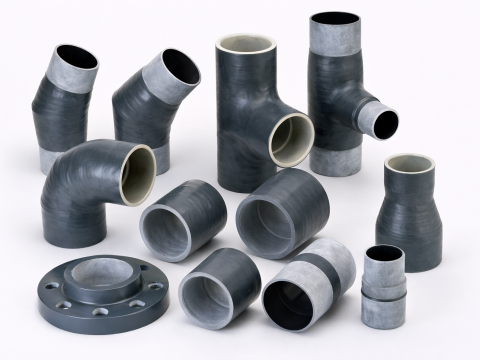
Discover premium plastic valve lines for the water treatment and chemical industries.
10/12/2025Learn About High-Grade Plastic Valves Used in Water Treatment and Chemical Applications. Classification, Advantages, Applications, and Selection Criteria for Durable and Safe Plastic Valves.
Introduction: Why Are Plastic Valves Becoming the Preferred Choice in Water Treatment and Chemical Applications?
In recent years, the demand for high-grade plastic valves in water treatment, water supply and drainage, aquaculture, chemical processing, and industrial manufacturing has increased significantly. Thanks to their high durability, corrosion resistance, reasonable cost, and ability to operate in harsh environments, plastic valves are increasingly replacing traditional metal valves.
In the past, users were concerned that plastic valves might not be durable enough or suitable for chemical applications. However, modern material technologies (PVC-U, CPVC, PP, PVDF) have introduced a new generation of plastic valves that are robust, safe, and compliant with international standards.
In this article, we will explore the most common types of high-grade plastic valves, how to select the correct valve for each industry, and important considerations during installation.
1. What Is a Plastic Valve? Overview of Materials and Quality Standards
A plastic valve is a device used to shut off, open, or regulate the flow of water, chemicals, or liquids in piping systems. The most significant difference between plastic valves and metal valves lies in their corrosion resistance, chemical resistance, and low maintenance cost.
1.1 Common High-Grade Plastic Materials
Each plastic material is suitable for specific temperature and chemical ranges:
-
PVC-U (Unplasticized Polyvinyl Chloride)
-
Temperature resistance: 0–60°C
-
Suitable for: water treatment, water supply and drainage, swimming pools, aquaculture
-
-
CPVC (Chlorinated Polyvinyl Chloride)
-
Higher temperature resistance: 0–95°C
-
Suitable for: hot water, light to medium chemical applications
-
-
PP (Polypropylene)
-
Excellent chemical resistance, temperature resistance up to 100°C
-
Suitable for: acids, mild alkalis, industrial wastewater treatment
-
-
PVDF (Polyvinylidene Fluoride)
-
Highest-grade material, temperature resistance up to 140°C, extremely high corrosion resistance
-
Suitable for: heavy chemical industry, laboratories, semiconductor manufacturing
-
2. Common Types of High-Grade Plastic Valves
Below are the most widely used plastic valve types in water treatment and chemical industries.
2.1 Plastic Ball Valves
Characteristics
-
Simple structure, easy operation
-
Quick open/close action
-
High sealing performance due to spherical ball and sealing gaskets
Applications
-
Wastewater treatment
-
Corrosive chemical piping systems
-
Swimming pools and aquaculture
SEO Highlight Advantage
Plastic ball valves are considered high-grade plastic valves with outstanding durability, suitable for harsh operating environments.
2.2 Plastic Gate Valves
Characteristics
-
Designed for large-diameter pipelines
-
Straight-through flow with minimal pressure loss
-
Open/close operation by lifting or lowering the gate
Applications
-
Municipal water supply and drainage systems
-
Clean water treatment plants
-
Light and neutral chemical applications
2.3 Plastic Butterfly Valves
Characteristics
-
Lightweight and easy to install
-
Flexible flow regulation
-
Lower cost compared to metal valves
Applications
-
RO filtration systems
-
Industrial water treatment
-
Cooling systems and cooling towers
2.4 Plastic Check Valves
Characteristics
-
Prevent backflow
-
Protect pumps, filtration equipment, and pipelines
Common Types
-
Spring-loaded check valves
-
Swing check valves
-
Ball check valves
2.5 Plastic Pressure Reducing Valves
Characteristics
-
Stabilize system pressure
-
Used when high inlet pressure may damage equipment
Applications
-
Chemical plants
-
Hot water systems
-
Automatic irrigation systems
2.6 Plastic Air Release Valves
Functions
-
Release trapped air from pipelines
-
Stabilize flow
-
Protect pumps and reduce pressure surges
3. Why Are High-Grade Plastic Valves the Optimal Choice for Water Treatment and Chemical Industries?
3.1 Superior Corrosion Resistance
Unlike metal valves that are prone to rust, plastic valves can withstand aggressive chemical environments, including strong acids and alkalis.
3.2 Lightweight and Easy Installation
Reduces installation time, labor costs, and transportation expenses.
3.3 Low Initial Investment Cost
Costs are only 40–60% compared to stainless steel or cast iron valves, while maintaining long service life.
3.4 Safe and Environmentally Friendly
Non-toxic, no heavy metal contamination, suitable for:
-
Potable water systems
-
Food processing
-
Pharmaceutical applications
-
Laboratory use
3.5 Good Temperature and Pressure Resistance
With materials such as CPVC, PP, and PVDF, plastic valves can operate at temperatures of 100–140°C without deformation.
4. Applications of Plastic Valves in Water Treatment and Chemical Industries
High-grade plastic valves are widely used in many fields:
4.1 Clean Water and Industrial Wastewater Treatment Plants
-
Control inlet and outlet flow
-
Regulate flow rates
-
Prevent backflow
4.2 Swimming Pools and RO Filtration Systems
-
Excellent chlorine resistance
-
No oxidation
4.3 Chemical Industry
-
Conveyance of sulfuric acid, HCl, NaOH, etc.
-
Highly corrosive chemical pipelines
-
Chemical mixing systems
4.4 Agriculture and Aquaculture
-
Easy installation
-
Suitable for saline and acidic water environments
4.5 Food & Pharmaceutical Industries
-
Safe, non-contaminating
-
Hygienic and compliant with sanitary standards
5. Criteria for Selecting the Appropriate Plastic Valve for Each System
Choosing the correct valve directly affects system performance and service life.
5.1 Identify the Fluid Medium
-
Clean water
-
Wastewater
-
Strong acids
-
Alkalis
-
Specialized chemicals
5.2 Select the Appropriate Plastic Material
-
PVC-U → water treatment
-
CPVC → hot water and chemicals
-
PP → industrial chemicals
-
PVDF → strong chemicals and high temperatures
5.3 Operating Pressure and Temperature
Check pressure ratings such as PN10, PN16, PN25 according to system requirements.
5.4 Pipe Size
Common range: DN15 – DN300
Ensure full compatibility with pipe standards.
5.5 Reputable Brands
Prefer manufacturers complying with:
-
ISO 9001
-
NSF
-
ASTM
-
DIN
6. Installation and Maintenance Guidelines for Plastic Valves
To achieve optimal performance, follow these principles:
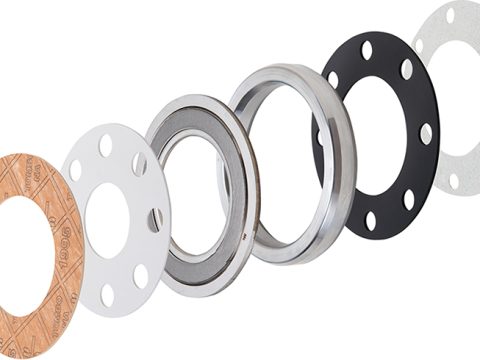
6.1 Inspect Gaskets and Flanges Before Installation
Ensure surfaces are clean and free from debris.
6.2 Do Not Over-Tighten Bolts
Excessive torque may crack valve bodies or flanges.
6.3 Leak Testing Before Operation
Run the system for 10–15 minutes to ensure safety.
6.4 Periodic Maintenance
-
Clean internal valve components
-
Check pressure and gaskets
-
Perform monthly operational checks
Conclusion: High-Grade Plastic Valves – A Durable Solution for Water and Chemical Systems
With outstanding advantages in corrosion resistance, durability, cost efficiency, and safety, high-grade plastic valves have become the optimal choice for water treatment and chemical industries.
Selecting the right valve type, appropriate material, and reliable brand not only ensures stable system operation but also significantly reduces maintenance and repair costs throughout the system lifecycle.
If you are seeking plastic valve solutions for factories, industrial facilities, or water treatment projects, carefully consider the information in this article to select the most suitable products.