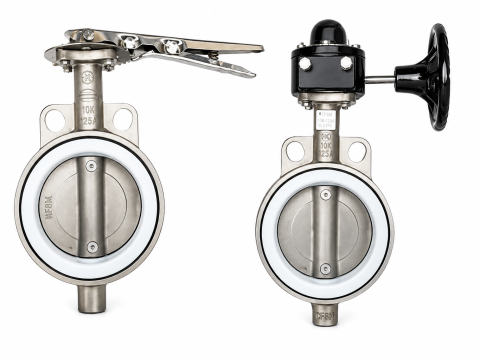
Seismic Switch by Seismic – Automatic Earthquake Detection Switch for Equipment Shutdown in Compliance with ASCE 25-16
29/07/2026Introduction: Why Are Seismic Switches Essential in Industrial Systems?
Earthquakes can generate severe vibrations that damage piping systems, mechanical equipment, and electrical installations, while significantly increasing the risks of gas leakage, fire, explosion, and production downtime. For chemical plants, oil & gas facilities, power plants, cleanrooms, and other safety-critical industrial applications, detecting seismic activity and automatically disconnecting electrical power to critical equipment is an essential safeguard for minimizing damage and protecting personnel.
The Seismic Switch is designed as a Mechanical Earthquake Switch, capable of detecting seismic vibrations in accordance with ASCE 25-16 and automatically disconnecting electrical power or activating control devices such as solenoid valves, actuators, alarm systems, and emergency shutdown (ESD) systems—all without requiring an electrical power source to detect seismic motion.
1. What Is a Seismic Switch?
A Seismic Switch is a dedicated mechanical switch equipped with an integrated seismic sensing mechanism designed to detect earthquake-induced vibrations affecting structures or equipment. When the vibration intensity exceeds the preset threshold specified by applicable engineering standards, the switch changes its contact status to disconnect electrical power or transmit a control signal to the safety system.
The device is commonly integrated with:
- Solenoid Valves
- Electric Actuators
- Control Panels
- Fire Alarm Systems
- Emergency Shutdown (ESD) Systems
Thanks to its completely mechanical sensing mechanism, the Seismic Switch offers exceptionally high reliability and does not depend on an electrical power supply to detect seismic activity.
2. Operating Principle of the Seismic Switch
The Seismic Switch operates through an internal mechanical seismic sensing mechanism.
Under normal operating conditions, the electrical contacts remain in their designed state. When an earthquake or vibration exceeding the preset activation threshold occurs, the sensing mechanism changes the contact status, thereby performing one or more of the following actions:
- Disconnecting power to equipment.
- Activating a solenoid valve to shut off the gas supply.
- Sending a signal to a PLC or Building Management System (BMS).
- Activating the alarm system.
- Initiating the Emergency Shutdown (ESD) sequence.
Once the entire system has been inspected and confirmed safe, the switch can be manually reset to restore normal operation.
3. Construction of the Seismic Seismic Switch
A standard Seismic Switch consists of the following primary components:
Mechanical Seismic Sensor
The component responsible for detecting seismic vibrations in accordance with earthquake standards.
Contact Switching Mechanism
Automatically changes the Normally Open (NO) or Normally Closed (NC) contact status when seismic vibrations are detected.
Protective Enclosure
Manufactured from aluminum alloy or other high-impact-resistant materials.
Certain models provide:
- IP66 Protection
- Dustproof Construction
- Waterproof Protection
- Corrosion Resistance
Electrical Wiring Terminal
Allows connection to:
- PLC
- Relay
- Solenoid Valve
- Actuator
- Alarm System
Reset Button
Restores the switch to its operating condition after the system has been inspected and declared safe.
4. Key Features of the Seismic Seismic Switch
Rapid Seismic Detection
The device responds almost instantaneously when vibration exceeds the preset activation threshold.
No Power Required for Earthquake Detection
The mechanical sensing mechanism operates independently of any electrical power supply.
Enhanced System Safety
Helps reduce the risks of:
- Fire
- Explosion
- Gas Leakage
- Equipment Damage
- Workplace Accidents
High Reliability
Since it does not rely on complex electronic sensors, the device is far less susceptible to electrical noise or harsh industrial environments.
Easy System Integration
The switch can be integrated with:
- PLC
- SCADA
- DCS
- ESD Systems
- Fire Alarm Systems
5. Typical Technical Specifications
According to Seismic technical documentation, the Seismic Switch features the following key specifications:
- Mechanical earthquake sensing mechanism.
- Designed in accordance with ASCE 25-16.
- No electrical power required for earthquake detection.
- Capable of controlling solenoid valves, actuators, or relays.
- Suitable for use in safe areas and for integration with equipment installed in hazardous areas through appropriate control systems.
- High mechanical durability.
- Suitable for both indoor and outdoor installation depending on the model.
6. Applications of the Seismic Seismic Switch
The Seismic Switch is widely used in industries requiring the highest levels of operational safety.
Chemical Plants
Automatically disconnects electrical power during abnormal seismic events, minimizing the risk of hazardous chemical leakage.
Natural Gas Systems
Works together with Solenoid Valves or Gas Seismic Valves to automatically isolate the gas supply.
Oil & Gas Facilities
Protects piping systems and critical equipment during seismic events.
Power Plants
Disconnects power to critical equipment, reducing potential earthquake-related damage.
Data Centers
Protects UPS systems, backup generators, and HVAC equipment.
Commercial Buildings
Commonly installed in:
- Shopping Centers
- Hospitals
- Hotels
- Office Buildings
- High-Rise Buildings
7. Benefits of Using the Seismic Seismic Switch
Installing a Seismic Switch provides numerous advantages:
- Automatic earthquake detection.
- Rapid equipment shutdown.
- Reduced fire and explosion risks.
- Protection of piping systems and machinery.
- Minimized earthquake-related damage.
- Enhanced operator safety.
- Supports compliance with industrial safety system design requirements.
8. Selecting the Appropriate Seismic Switch
Selecting the proper device requires consideration of several factors.
Based on Application
- Solenoid valve control.
- Actuator control.
- Motor power shutdown.
- PLC or DCS integration.
Based on Installation Environment
- Indoor installation.
- Outdoor installation.
- Dusty or high-humidity environments.
- Industrial facilities.
Based on System Requirements
- Contact configuration (NO/NC).
- Control voltage.
- Load current.
- IP protection rating.
- Required certifications.
9. Installation and Maintenance Guidelines
Installation
- Inspect the switch before installation.
- Mount the device securely on a rigid structural surface.
- Install the switch in the correct orientation according to the manufacturer’s instructions.
- Complete electrical wiring according to the designated wiring diagram.
- Verify all control signals before commissioning.
Maintenance
- Periodically inspect the condition of the electrical contacts.
- Test the manual reset function.
- Check the mounting brackets and anchor bolts for tightness.
- Perform operational testing according to the scheduled maintenance program of the safety system.
10. Why Choose the Seismic Switch from Seismic?
Seismic is a specialized manufacturer of earthquake protection solutions for gas distribution systems and industrial facilities. Its products are engineered in accordance with international standards, meeting stringent requirements for reliability and system protection during seismic events.
Choosing the Seismic Switch offers numerous advantages:
- Purpose-built for industrial safety systems.
- Stable mechanical sensing mechanism requiring no electrical power for earthquake detection.
- Easy integration with PLC, DCS, BMS, and ESD systems.
- Designed in accordance with ASCE 25-16.
- High mechanical durability suitable for demanding industrial environments.
- Improves overall system safety while minimizing earthquake-related operational risks.
11. Pricing and Technical Consultation
The price of a Seismic Switch depends on several factors, including:
- Product model.
- Contact configuration.
- IP protection rating.
- Required technical certifications.
- Integration requirements with the control system.
- Order quantity.
To receive an accurate quotation and professional assistance in selecting the most suitable Seismic Switch for your application, please contact our technical team.
We are ready to assist you in selecting the optimal seismic monitoring and emergency shutdown solution for gas systems, chemical processing plants, oil & gas facilities, power generation plants, and other industrial applications requiring the highest levels of operational safety.